What Do Children Remember Most About Home?

Years slip by faster than most parents expect. Toys are packed away, bedrooms are repainted, and children grow into adults who eventually step out to build lives of their own. When that day comes, what will linger in their hearts? Will it be the color of the walls, the vacations, or the gifts? Or will it be something deeper—something that shaped their souls and their sense of belonging?
The Atmosphere of Home Leaves a Lasting Mark
Children rarely remember the details of décor, but they never forget the atmosphere. A home can be beautifully arranged yet feel cold, or it can be simple but overflow with warmth and peace. What truly endures is whether home was a place of kindness, laughter, forgiveness, and love. Did family members enjoy being together? Was grace practiced when mistakes were made? The atmosphere—shaped by daily choices—becomes the backdrop of a child’s lifelong memories. Scripture calls us to cultivate homes where God’s love is not just spoken of, but tangibly experienced (Deuteronomy 6:5–7).
Children Remember How Relationships Were Lived Out
Children are keen observers. They notice how parents treat each other—especially in moments of disagreement or stress. Do parents speak with respect? Are apologies offered and forgiveness extended? Marriage, for many children, is their first living picture of love. When parents model humility, patience, and reconciliation, they offer a glimpse of Christlike love. No family is perfect, but children learn much from parents who choose grace over resentment and repair over pride (Ephesians 4:32).
Authentic Faith Shapes Their Understanding of God
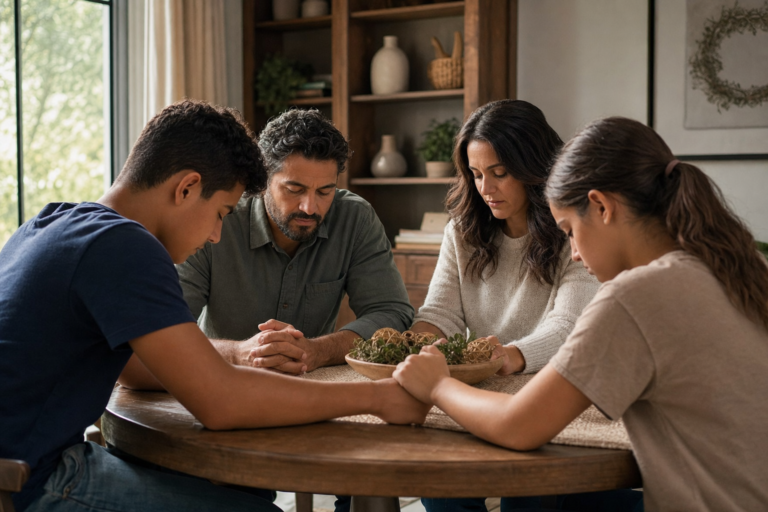
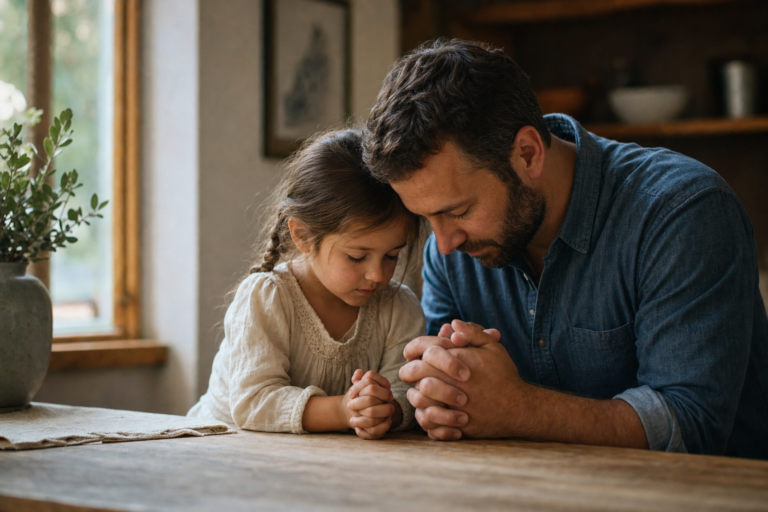
Children quickly sense whether faith is genuine or merely a routine. Did their parents only talk about God on Sundays, or was Jesus part of everyday life? Was prayer reserved for public moments, or did it flow naturally at home? Did God’s Word guide decisions and conversations? Authentic faith—lived out in ordinary moments—becomes believable and attractive. When faith is only spoken but not practiced, it can create confusion or skepticism. But when children see parents loving Jesus sincerely, it leaves a mark that endures (2 Timothy 1:5).
Ordinary Moments Become Sacred Memories
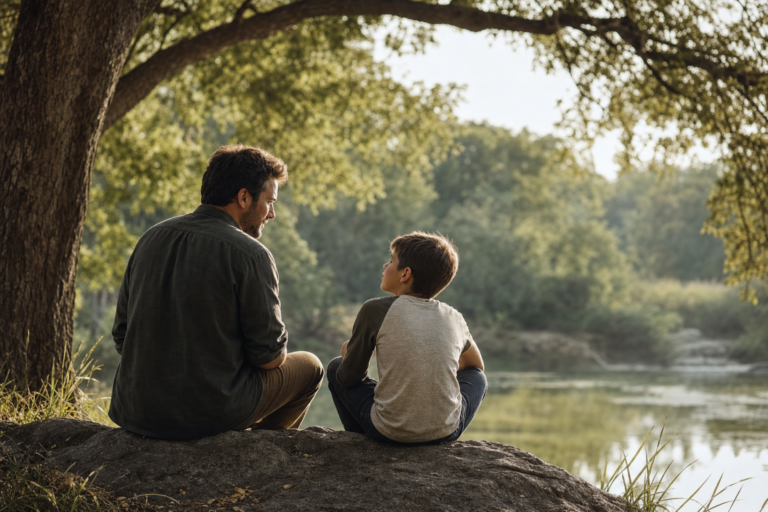
Some of the most formative memories are made in the midst of daily routines: conversations around the dinner table, bedtime prayers, car rides, or simple walks together. These moments communicate love, belonging, and interest. They also provide natural opportunities to talk about God’s goodness and wisdom. Great spiritual lessons often begin with simple, unplanned conversations. As Deuteronomy 6 reminds us, faith is passed on “when you sit in your house, and when you walk by the way, and when you lie down, and when you rise.”
Grace, Not Perfection, Is What Endures
No family is immune to mistakes, misunderstandings, or moments of frustration. What children remember most is not the absence of failure, but how the family responded. Was there blame and defensiveness, or humility and forgiveness? Did parents admit when they were wrong? Was grace extended freely? Homes marked by repentance and forgiveness leave a powerful legacy. James 1:19 urges us to be “swift to hear, slow to speak,” reminding us that listening and grace reflect God’s own heart.
What Is Celebrated and How Hardships Are Handled
Every family celebrates something—success, achievement, possessions, or popularity. But a Christ-centered home celebrates faithfulness, kindness, generosity, and love for God. Children learn what matters most by what is honored and celebrated. Likewise, every family faces hardship: illness, loss, disappointment, or conflict. Children watch closely—do parents panic, lose hope, or trust God? Parents who pray, encourage, and persevere through trials teach lessons that sermons alone cannot. These moments reveal where true hope is found (Romans 5:3–5).
Presence Matters More Than Presents
Years from now, children are unlikely to remember every gift, but they will remember the time spent together—shared meals, reading, playing, serving, and simple traditions. These ordinary experiences communicate, “You are important.” Time is one of the greatest expressions of love, and presence often speaks louder than any present. The Holy Spirit works through these daily acts of faithfulness, quietly building a spiritual foundation in a child’s heart.
A Home That Points to Christ Leaves a Lasting Legacy
Jesus welcomed children with open arms, inviting them to come to Him (Mark 10:14). Every Christ-centered home seeks to reflect His heart—a place where children are welcomed, valued, and gently led toward Christ. The greatest legacy parents can leave is not wealth or comfort, but a home where faith was authentic, grace was abundant, God’s Word was treasured, and every family member was continually pointed to Jesus. Such a home continues shaping hearts long after childhood ends, becoming a testimony of God’s faithfulness from one generation to the next.