What Habits Transform a Home?

Every family longs for a home marked by peace, love, and faith—but most discover that transformation rarely comes through dramatic events. Instead, it’s the quiet, repeated habits that shape the soul of a household. The words exchanged at breakfast, the way conflict is handled, the prayers whispered before bed—these ordinary moments quietly form the spiritual DNA of a family. The real question is not whether your home has habits, but whether those habits are drawing your family closer to Christ or quietly drifting away from Him.
Habits That Center the Home on Christ
Scripture teaches that the foundation of a transformed home is Christ Himself. Jesus said, “Seek first the kingdom of God and his righteousness, and all these things will be added to you” (Matthew 6:33). When families begin each day by turning to God—whether through prayer, reading a short passage of Scripture, or simply expressing gratitude—they declare that Christ is the center, not an afterthought. These small beginnings set the tone for the day and remind every member that God’s presence is the true source of wisdom and peace.
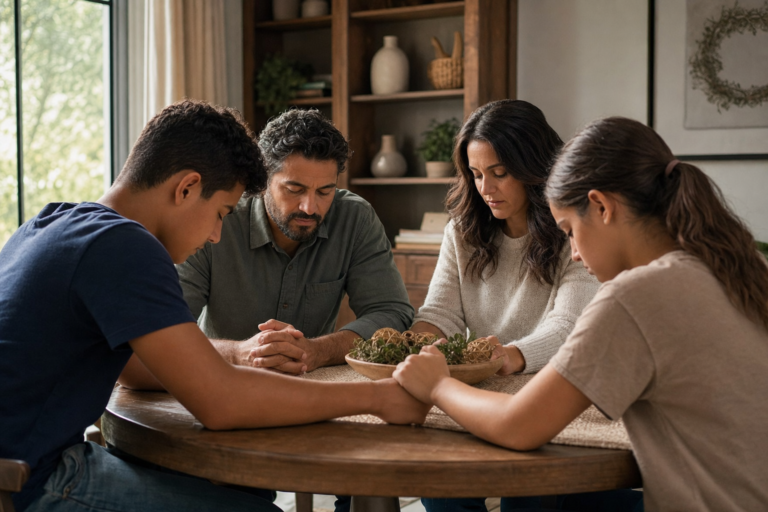
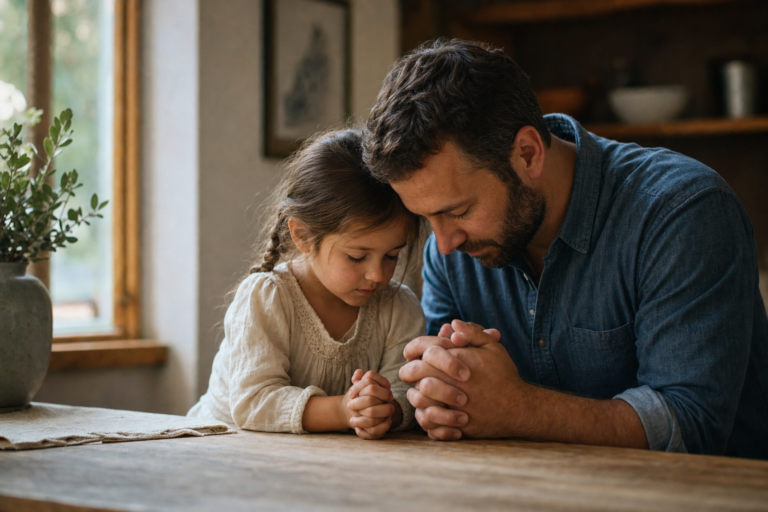
Regular prayer together—before meals, at bedtime, or in moments of need—teaches dependence on God and invites Him into every circumstance. Over time, children learn that turning to God is not reserved for emergencies but is the family’s natural response to both joy and struggle.
Building a Culture of Grace and Truth
God’s Word is not meant to be a distant relic but the living guide for daily life. Paul reminds us, “All Scripture is breathed out by God and profitable for teaching, for reproof, for correction, and for training in righteousness” (2 Timothy 3:16). Families who read the Bible together—whether a single verse or a short story—allow God’s truth to shape their thinking and conversations. Over time, Scripture becomes a trusted voice in the home, guiding decisions and comforting hearts.
Equally important is the habit of speaking words that build up rather than tear down. Paul urges, “Let no corrupting talk come out of your mouths, but only such as is good for building up” (Ephesians 4:29). Encouragement, gentle correction, and gratitude create an atmosphere where love can flourish. Children who hear words of affirmation and forgiveness learn to extend the same grace to others.
Practicing Forgiveness and Reconciliation
No family is immune to conflict. Yet, the difference between a home marked by bitterness and one marked by grace is the habit of forgiveness. Jesus calls His followers to forgive as they have been forgiven (see Matthew 18:21–22). In a Christ-centered home, apologies are offered freely, forgiveness is extended quickly, and reconciliation is pursued intentionally. Children who witness genuine forgiveness begin to grasp the depth of Christ’s grace and learn to seek restoration rather than harbor resentment.
Creating Space for Presence and Relationship
Modern life is filled with distractions—screens, schedules, and endless noise. Without intentional boundaries, these can quietly erode the relationships that matter most. Families who protect time for shared meals, conversation, play, and worship communicate that people matter more than productivity or entertainment. The dinner table, in particular, becomes a place for discipleship, laughter, and honest sharing. Children remember attentive parents far more than entertained ones.
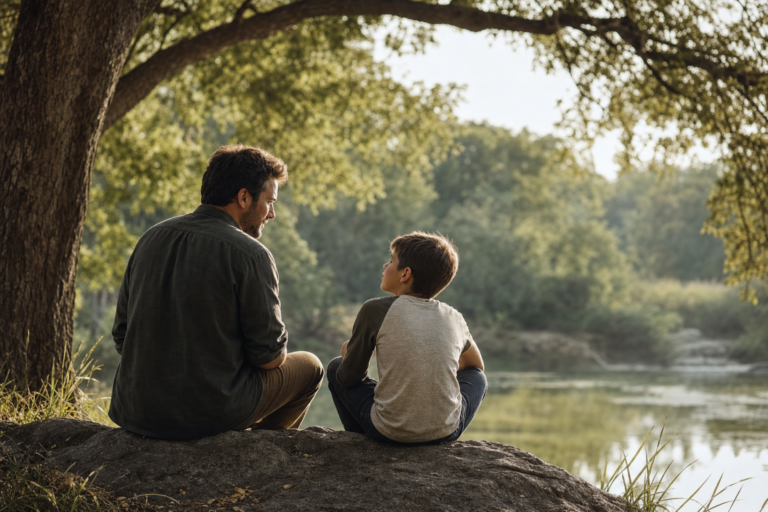
Limiting distractions is not about rejecting technology but about making room for what is eternal. When families choose to be present with one another, they create a culture of belonging and safety where faith can take root.
Serving and Worshiping in Everyday Life
Jesus redefined greatness as serving others (Mark 10:43–45). In the home, this means parents and children alike look for ways to serve one another—helping with chores, sharing responsibilities, and showing kindness without being asked. These acts of service, done in love, reflect the heart of Christ and gradually weaken the grip of selfishness.
Worship is not confined to Sunday mornings. Every act of obedience—telling the truth, working diligently, forgiving quickly—becomes an offering to God. Children learn that following Jesus is not reserved for special occasions but is woven into the fabric of daily life.
Depending on the Holy Spirit for Lasting Change
Parents often feel the weight of responsibility for their family’s spiritual growth. Yet, true transformation is never the result of human effort alone. Jesus promised the Holy Spirit to guide, teach, and empower His people (John 14:26; Galatians 5:22–23). As families pray for the Spirit’s help, He produces fruit—love, joy, peace, patience, kindness, goodness, faithfulness, gentleness, and self-control—that no habit alone can manufacture. These qualities quietly transform a home from the inside out.
Finishing Each Day with Grace
No family lives perfectly. Some days are filled with joy; others bring frustration or regret. Ending the day with grace—through prayer, forgiveness, and gratitude—reminds everyone that God’s mercies are new every morning (Lamentations 3:22–23). The day closes not with guilt, but with hope and the assurance that Christ’s love covers every weakness.
Faithful Habits, Lasting Legacy
What habits truly transform a home? Not complicated programs or extraordinary events, but simple, Christ-centered practices faithfully repeated day after day. Seeking God first. Praying together. Reading His Word. Sharing meals. Speaking with kindness. Practicing gratitude. Forgiving quickly. Serving joyfully. Protecting relationships. Depending on the Holy Spirit. These habits do more than improve family life—they shape hearts, strengthen faith, and reflect the character of Christ to the next generation.
As parents model these rhythms and children experience them in everyday life, the home becomes more than a shelter. It becomes a place where God is honored, relationships flourish, and faith is passed from one generation to the next. In the end, it is the smallest habits, faithfully practiced in the presence of Christ, that produce the greatest transformation and a legacy that endures.