
When Faithful Leadership Requires Unpopular Decisions
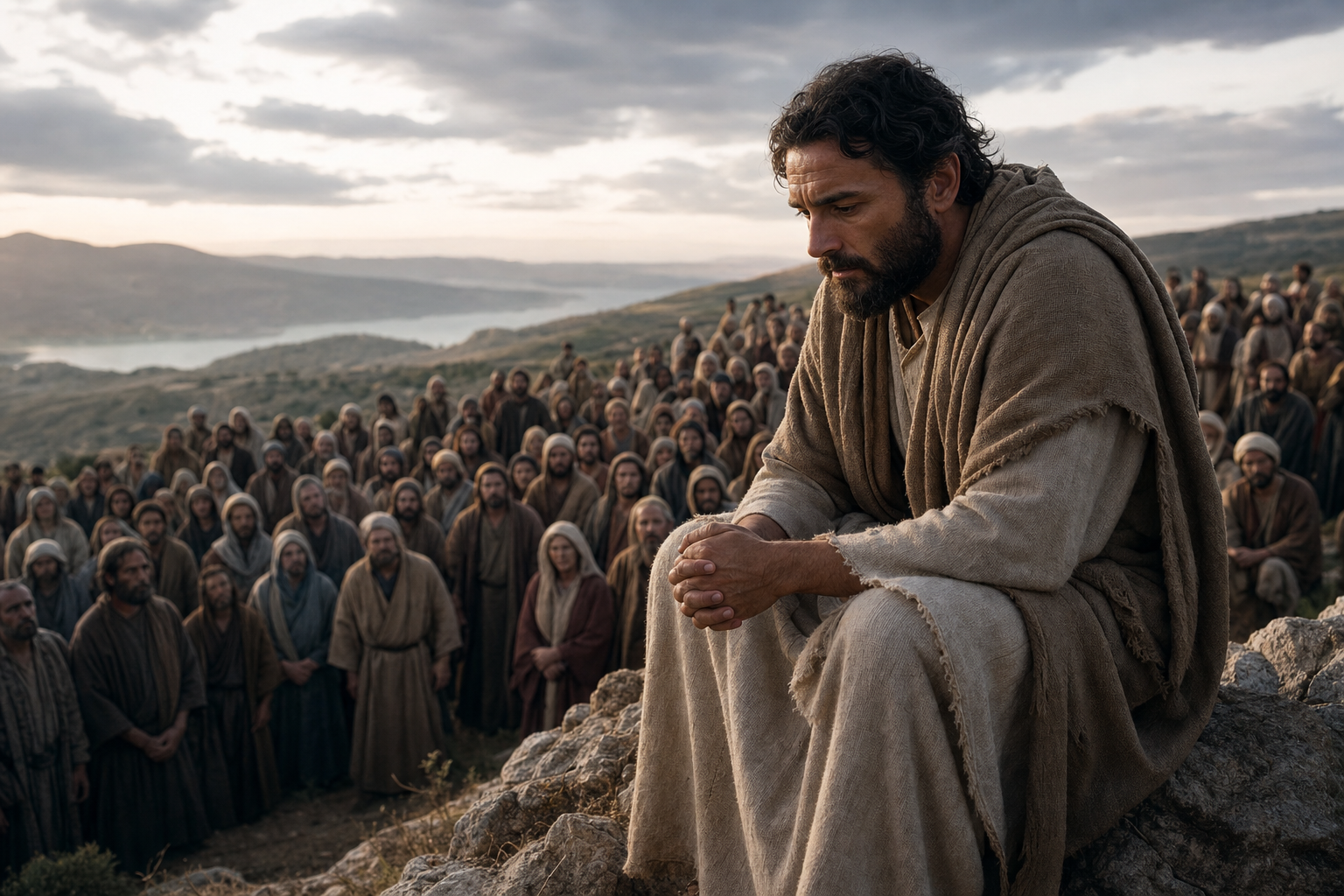
It is the night after months of discussion, prayer, and countless gentle appeals. A seasoned pastor sits at his kitchen table, the clock blinking back midnight shadows. The church board has voted against the path he sensed clear as daylight in morning prayer, and old friends now ask quietly if he’s lost his way. Texts have cooled to polite, uncertain distance. His family senses the weight on his shoulders but cannot enter the silent debate within his conscience. As he sits in the hush, a heavier question lingers: If obedience to Christ can leave a shepherd this alone, is this what faithfulness truly requires—or is it a costly error that will haunt both flock and shepherd alike?
The Ache of Godly Leadership: More Than Tough-Skinned Resolve
Beneath the jargon of leadership training, faithful Christian leadership often means enduring the particular pain of being misunderstood. Community, unity, and even consensus—each is integral to the body of Christ. Yet Scripture does not sentimentalize agreement as the highest good. The biblical narrative is littered with decision moments when the courage to obey God did not result in affirmation, but loneliness. The leader’s truest ache, then, is not simply making hard choices, but carrying the ache no one else can see: the ache of risking trust and relationship because faithfulness leaves no alternative.
Discernment at such crossroads is always complicated by interior questions: How do we distinguish stubborn pride from obedience? Is humility found in yielding to consensus, or in standing persistent when nearly all voices urge us to reverse course? Beneath those questions, Christ calls leaders out of the shallow waters of popularity and into deeper dependence—sometimes exiling them for the sake of His sheep.
Jesus: The Good Shepherd’s Difficult Road
John 10:11–16 offers no illusion about the quiet cost of Christ-honoring leadership. “I am the good shepherd,” Jesus declares, and then defines His role not by popularity but by self-sacrifice: “The good shepherd lays down his life for the sheep.” His leadership is not risk-averse or consensus-driven, but fundamentally exposes Him to misunderstanding, rejection, and danger so the sheep might be truly safe. The hired hand manages efficiently but disappears at threat; the shepherd absorbs the cost willingly. In Christ, leadership is not an escape from the burden or sorrow—but a willingness to inhabit them for the sake of others and for obedience to the Father.
Jesus’ journey is marked by choices almost no one supported. He stands before religious leaders and is deemed divisive; His own disciples shrink back or misinterpret His motives, and the crowds that once shouted “Hosanna!” turn quickly to jeers. Through it, His eyes remain on the Father’s will and the true needs of the flock, even when the cost is misunderstanding and, ultimately, the cross. Here is the measure of biblical leadership: laying down reputation, comfort, and sometimes belonging, to give what is most needed—even if it is not grasped or celebrated.
Paul’s Uncompromising Conscience: Not Self-Will, but Surrender
The Apostle Paul, too, stands in this tradition of being misunderstood for the sake of Christ. In Galatians 1:10, Paul issues a searching rhetorical question: “Am I now seeking the approval of man, or of God? Or am I trying to please man? If I were still trying to please man, I would not be a servant of Christ.” These words press into every generation of leaders. Paul’s resistance to the crowd is not a performance of stubbornness, but an expression of servanthood—he has come to belong to another. His core motive, refined by trials and not immune to self-doubt, is allegiance to Christ above all.
This interior resolve becomes visible in Acts 20:22–24. Paul confides in the Ephesian elders that he goes “bound by the Spirit” to Jerusalem, not knowing the details but knowing hardships await. Such courage is not the result of personality, but of formation: obedience shaped by layer upon layer of submitting to Christ. Notably, Paul does not deny the heartache—he anticipates sorrow, misunderstanding, “tears among you” (Acts 20:31). Yet the possibility of being misunderstood is no excuse to swerve from fidelity. Instead, suffering and disappointment become context for knowing Christ more deeply, and testifying to a gospel that is not transactional but transformational.
The Quick Sand of Consensus: Saul’s Cautionary Tale
There is a subtle pressure, often unspoken but persistent, that lures leaders to chase consensus above conscience. 1 Samuel 15:24–28 soberly recounts the danger. Saul, Israel’s king, fears his people’s disapproval more than God’s instruction. “I have sinned…because I feared the people and obeyed their voice,” he confesses to Samuel. The result is the withdrawal of God’s voice and blessing—a loss far greater than any human disappointment. Here leadership becomes hollow: its efforts to please everyone drain its purpose, and the leader becomes unmoored from the very calling that gave them charge over the flock. Saul’s story is a tragic exposure of man-pleasing: a warning not just of inefficiency, but of spiritual erosion—the cost is not temporary, but lasting.
Healthy leadership recognizes the necessity of wise counsel and checks against arrogance. Yet, when consensus becomes the ultimate measure, leaders risk sacrificing obedience, slowly eroding their own conviction beneath the desire to keep peace. Ultimately, leading by consensus at the expense of God’s calling is a kindness that betrays both God’s truth and the flock’s wellbeing.
Tears, Not Teflon: The Role of Lament in Christlike Leadership
If lonely leadership risks drifting into cold resolve or defensiveness, Christ’s response to rejection offers another way. In Luke 19:41–44, Jesus approaches Jerusalem and weeps—not with frustration at their failure to recognize Him, but with heartbreak that comes from love. “Would that you, even you, had known…what makes for peace!” His tears are not weakness or doctrinal uncertainty; rather, they mark the integrity of a leader who refuses to abandon truth but is free to lament its cost.
This is neither cynicism nor machismo, but a deep awareness that faithful leadership at times produces sorrow for both leader and those led. Healthy leaders allow lament a place at the table of decision—grief for relationships strained, for misunderstanding, even for the limits of what words or leadership can repair. Lament does not signal indecision; it testifies to other-centered love, grounded in the cross. Leadership without tears hardens into pride; leadership with tears keeps the heart responsive to Christ and the real needs of the flock.
The Hidden Interior: Discerning Between Conviction and Pride
Scripture never offers leaders foolproof protection against self-deception. Saul erred by fearing people; others have erred just as badly by ignoring legitimate counsel, mistaking stubbornness for faithfulness. The crux, then, lies in a hidden interior battle—how do I know if it is really Christ’s voice, or just my own anxiety or ambition dressed in spiritual clothing?
Faithful leaders cultivate practices that expose their motives to God’s searching light. These are less a checklist, more an ongoing posture of humility and attentiveness:
- Scripture Immersion and Prayerful Sifting: Plunge your decision-making into the currents of Scripture, allowing the raw honesty of the Word to search both desire and discernment. Prayerful reflection is not a defense against uncertainty, but a space to encounter Christ whose voice still speaks through and above our best arguments.
- Cross-Centered Counsel, Not Echo Chambers: Solicit input from mature believers who love Christ and fear Him, not merely those sharing your viewpoint. Welcome voices that ask hard questions, who value truth over your comfort, and intercede with you, not just for you. Sometimes the faithful friend asks, “Are you sure this is Christ, and not just you?”
- Lament and Repentance: Embrace the discipline of honest sorrow: for loss, for confusion, for pain you may cause others. Ask Christ to reveal if your suffering is truly for His sake, or arises from unyielding pride or disguised fear. Repentance is not admission of failed leadership, but a sign the heart remains tender to the Spirit’s correction.
- Gentle Communication: When the time comes to explain decisions, do so clearly—naming not only your convictions but your sense of sorrow if others are hurt or confused. Let others see your dependence on Christ, not on unshakeable certainty or perfect plans. The flock can often tell the difference between self-protection and a leader bearing genuine spiritual weight with compassion.
- Daily Abiding Over Results: The spiritual discipline is anchoring hope not in vindication or change of opinion but in Christ’s presence. Let the measure of whether you have led well be, first and most, whether you have remained close to Him—His comfort, His guidance, His rebuke. Fruit may require seasons—sometimes generations—to surface, but formation occurs in the daily abiding, not just the aftermath.
Facing the Skeptical Heart: How Can You Know?
Many leaders privately wonder, “What if this isn’t really Christ’s way but just my own stubbornness?” Scripture respects the complexity: there is no blueprint, only ongoing surrender. The surety is not found in self-examination alone, but in cruciform patterns—the way of the cross. Jesus’ decisions brought misunderstanding, not through a lack of love, but through a love that risked rejection for ultimate healing. Paul’s convictions led him into prisons and tears, but never away from dependence on Christ. Our patterns of self-sacrifice, willingness to bear consequences, and ongoing repentance—not our cleverness—are evidence that our hearts are being shepherded even as we lead. If the steps cannot be separated from sacrificial love, honest lament, and Christ-shaped hope, the pathway, though lonely, is familiar to Jesus Himself.
The Gift Hidden in Loneliness: Christ’s Fellowship in the Valley
The difficult truth is that God’s presence is sometimes most apparent not in the affirmation of others, but in the quiet darkness after misunderstood decisions. Here the patterns of Christ, the psalms of David, and the tears of the prophets all gather to testify: “I am with you always, even to the end of the age.” In lonely valleys, leaders sometimes discover richer communion with Christ—tasting something of the fellowship of His sufferings, returning again and again to Scripture not for quick answers, but for the stamina to remain steadfast in the unseen. These seasons shape leaders not into heroes but into those quieted and steadied by Christ’s love, their souls softened by trials that no public affirmation could ever replace.
This is not romantic hardship or a call to isolation. Rather, it is a summons to steward the weight as sacred ground, trusting that even in misunderstood obedience, Christ is present—forming, pruning, and multiplying courage for the next generation of leaders and disciples who will follow.
Holy Ground, Not Merely a Trial: An Invitation to Lead With Christ
The quiet weight of costly decisions is not merely a season to survive. It is often a holy ground that Christ alone makes sacred. The question shifts: not whether you win approval or even full understanding, but whether you host Christ’s real presence in the tension. In this silence, you become a living invitation—not for applause, but for others to join in watching, longing, and learning what it means to lay down one’s life for the flock.
Let your obedience—sometimes costly, always surrendered—create a new currency for your church or team: courage shaped by the cross and governed by communion with Christ. Over time, those who observe may gain yearning, growing into leaders who fear losing God’s presence more than they fear people’s disapproval. And the flock, though it may not always recognize why, will know the difference between those who manage by consensus and those who quietly, steadfastly, and compassionately lead by abiding in the Chief Shepherd. This is leadership for which eternity will tell the full story, and Christ Himself will remain the center—no matter who else sees or understands.