
How Did Jesus Read the Scriptures?
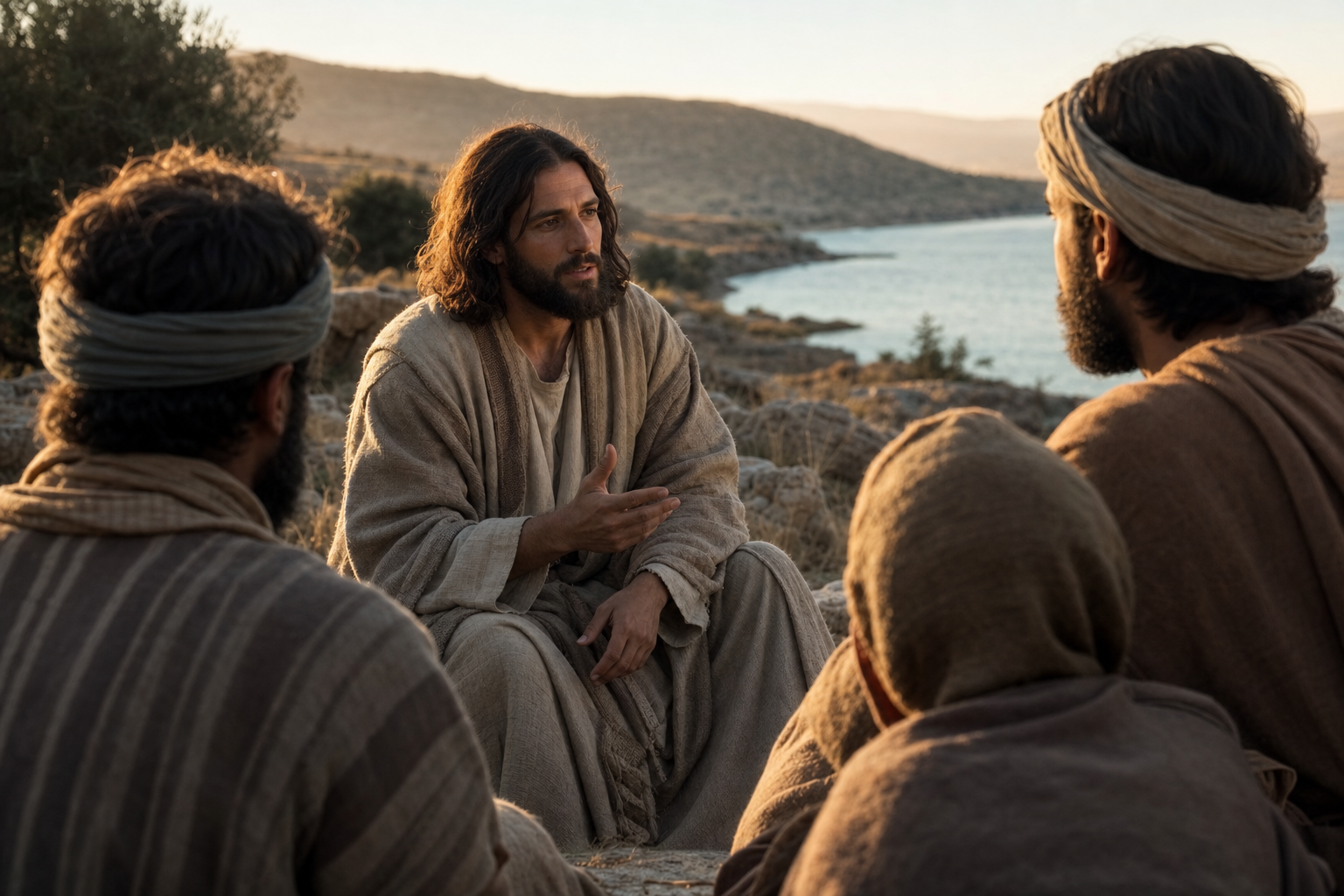
“And beginning at Moses and all the prophets, he expounded unto them in all the scriptures the things concerning himself.”
— Luke 24:27 (KJV)
Imagine sitting beside Jesus as He opened the Scriptures. He knew every word, every promise, every command. Yet what set Him apart was not just His knowledge, but how He read, understood, and lived out God’s Word. If we long to read the Bible faithfully, we must learn from the One who fulfilled it perfectly.
Jesus Treated Scripture as God’s Living, Authoritative Word
When Jesus faced temptation, He didn’t argue with clever words or personal opinions. He answered, “It is written” (Matthew 4:4, 7, 10). For Jesus, Scripture was not a collection of ancient sayings but the very voice of God—true, trustworthy, and binding. He submitted Himself to its authority, never placing His own will above the Father’s revelation. Every time He taught, corrected, or comforted, He did so with the conviction that God’s Word stands above all.
This raises a searching question: Do we approach the Bible as God’s living Word, or as advice to consider when convenient? Jesus’ example calls us to humble ourselves before Scripture, letting it shape our beliefs and actions.
Jesus Read Scripture in Its Full Story and Context
Religious leaders in Jesus’ day often quoted verses out of context, missing God’s heart. Jesus continually drew people back to the bigger picture. When asked about the Sabbath, He pointed to God’s purpose for rest and mercy. When discussing marriage, He returned to God’s design in creation. Jesus refused to isolate verses from their place in God’s unfolding story. He saw how every part fit together, revealing God’s purposes across generations.
We are tempted to read the Bible in fragments, searching for quick answers or proof texts. But Jesus shows us that true understanding comes from seeing each passage within the whole narrative of redemption. The Bible is not a collection of disconnected rules, but a unified story of God’s work in the world.
Jesus Read Scripture with Himself at the Center
After His resurrection, Jesus met two discouraged disciples on the road to Emmaus. He opened the Scriptures and showed them how the Law, the Prophets, and the Psalms all pointed to Him (Luke 24:27, 44). The sacrifices foreshadowed His death. The promises anticipated His coming. The prophets announced His mission. The kings prefigured His reign. Jesus is not just the best interpreter of Scripture—He is its fulfillment and center.
This Christ-centered reading transforms how we approach the Bible. We do not search for ourselves as the main character, but for Christ as the Savior and hope of every page. The more we look for Him, the more the Scriptures come alive.
Jesus Responded to Scripture with Obedience and Humility
For Jesus, reading Scripture was never a detached exercise. He said, “My meat is to do the will of him that sent me” (John 4:34). He lived out every command, trusted every promise, and submitted to every purpose of God—even when it led to the cross. Unlike those who twisted Scripture for personal gain, Jesus let God’s Word shape His desires, decisions, and destiny.
True Bible reading is not about mastering information, but being mastered by the Author. Jesus’ humility before the Word challenges us: Do we let Scripture correct us, or do we try to bend it to fit our preferences? The goal is not just to know the Bible, but to become people who obey and reflect Christ.
The Road to Emmaus: Seeing the Bible Through Christ
The encounter on the road to Emmaus is a living picture of how Jesus read the Scriptures. Two disciples, confused and heartbroken, could not make sense of recent events. Jesus walked with them, patiently explaining how all of Scripture pointed to Himself. Suddenly, what was confusing became clear. Their hearts burned within them as they saw the central thread of redemption running through every page.
When we read the Bible with Christ at the center, the story of God’s love and rescue comes into focus. Even difficult passages find their place in the larger tapestry of God’s plan.
AbideRooted Insight: Becoming People of the Word
Jesus read Scripture as God’s authoritative Word, within its full context, with Himself at the center, and with a heart ready to obey. His approach is not just a model for study, but an invitation to transformation. As we follow His example, the Bible becomes more than a book to analyze—it becomes a living invitation to know Christ, abide in Him, and bear fruit that lasts.
Let us open the Scriptures with humility, seeking Christ on every page, and respond with faith and obedience. In doing so, we are shaped not only by the words we read, but by the living Word Himself.
Reflection Questions
- How did Jesus demonstrate confidence in Scripture’s authority?
- Why is context important when interpreting the Bible?
- How does Christ-centered reading change the way we understand Scripture?
- What role does obedience play in biblical understanding?
- How can Jesus’ example improve your personal Bible study?
Key Takeaway
Jesus read Scripture as God’s authoritative Word, understood it within God’s larger redemptive story, saw Himself as its fulfillment, and responded with complete obedience. His example teaches believers to read the Bible with humility, context, faith, and a Christ-centered focus.