
What Does Taking Up Your Cross Really Mean?
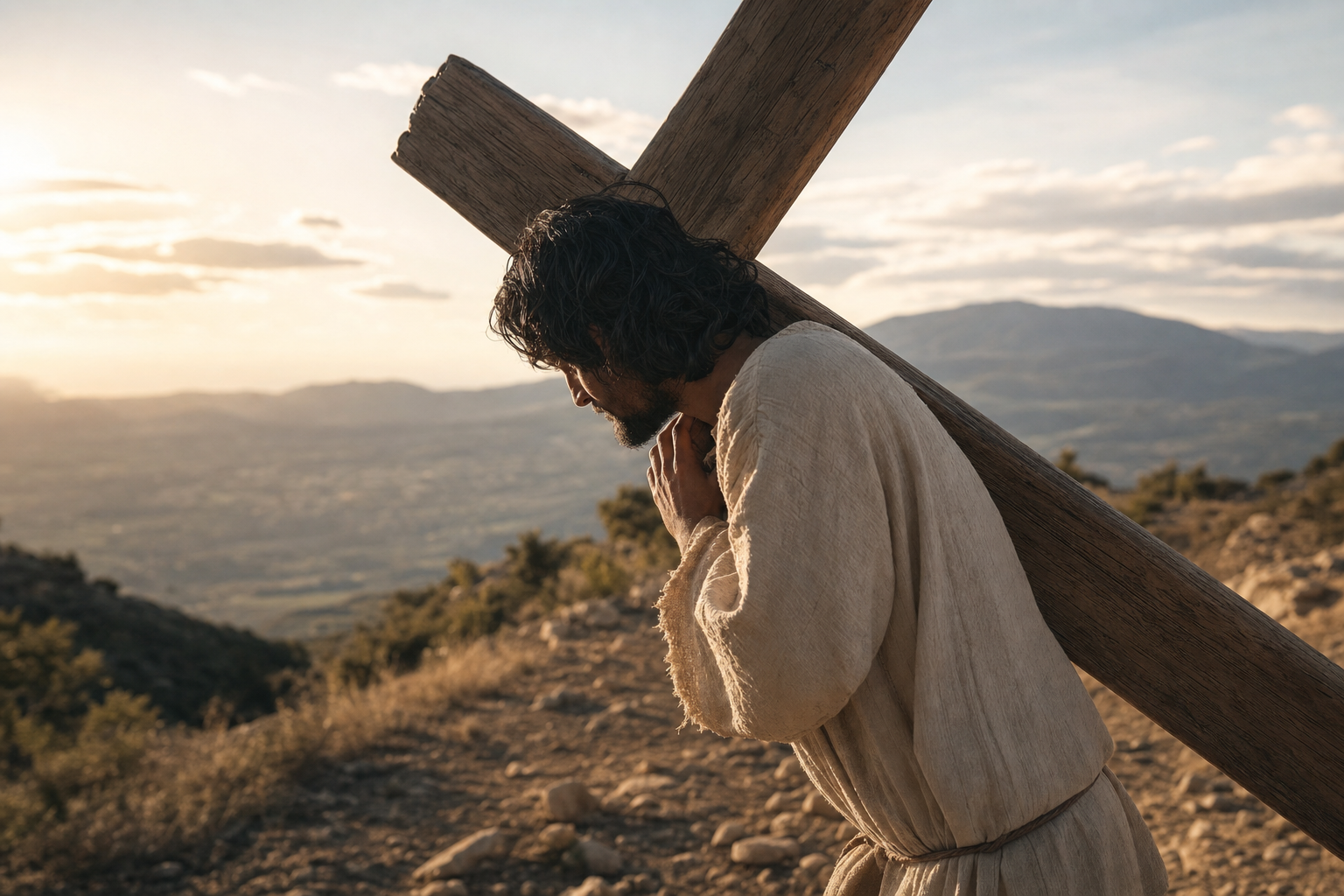
We often hear people say, “That’s just my cross to bear,” when facing a difficult coworker, a chronic illness, or a daily inconvenience. But when Jesus first spoke of taking up the cross, His listeners heard something far more unsettling than a metaphor for hardship. They heard a call to surrender everything—even life itself. The cross was not a symbol of hope or a piece of jewelry; it was an instrument of execution. To take up your cross was to embrace a path of costly obedience, and Jesus made this the very heart of discipleship.
Jesus’ Call: Surrender Before Following
Jesus’ words in Luke 9:23 are strikingly clear: “If anyone would come after me, let him deny himself and take up his cross daily and follow me.” The order is intentional: self-denial, cross-bearing, then following. Many want to follow Jesus without surrendering their own desires, but Jesus insists that discipleship begins with letting go of self-rule. The cross is not an accessory to the Christian life—it is the doorway. To follow Christ, we must first lay down our claim to our own lives.
The Cross in Jesus’ World: A Call to Die
For Jesus’ original audience, the cross meant only one thing: death. In the Roman world, a man carrying a cross was a man on his way to execution. There was no confusion or sentimentality. Jesus was not inviting His followers to endure inconvenience, but to die to themselves—to surrender every right, every ambition, every comfort to God’s authority. The cross was a call to radical allegiance, not to mere endurance of life’s difficulties.
Not Earning Salvation, But Responding to Grace
It’s crucial to understand what Jesus did not mean. Taking up your cross is not a way to earn God’s favor or salvation. Scripture is clear: “For by grace you have been saved through faith” (Ephesians 2:8). No amount of sacrifice or suffering can redeem us—only Christ’s finished work on the cross does that. Cross-bearing is the response of those who have already received grace, not a means to obtain it. Discipleship follows salvation; it never replaces it.
Daily Death to Self: The Ongoing Journey
Luke’s account adds a vital word: “daily.” Taking up your cross is not a one-time heroic act, but a daily decision. Each day brings fresh opportunities to surrender our plans, preferences, and pride. Will I choose Christ’s way or my own? Will I trust God or cling to control? Paul described this ongoing surrender: “I have been crucified with Christ. It is no longer I who live, but Christ who lives in me” (Galatians 2:20). The greatest obstacle to following Jesus is not usually external opposition, but the self-centeredness within us. Cross-bearing means stepping off the throne and letting Christ rule, again and again.
Obedience, Not Suffering for Its Own Sake
Some misunderstand cross-bearing as seeking out suffering or hardship. But Jesus never called His followers to pursue pain for its own sake. The goal is not suffering, but obedience. Sometimes obedience leads through difficulty; sometimes it leads through blessing. The disciple’s aim is Christ Himself. If hardship comes because of faithfulness, we endure. But suffering is never the objective—Christ is. True cross-bearing is active, willing obedience, not passive resignation or self-punishment.
The Cost and the Fruit of Cross-Bearing
Jesus was honest about the cost: “Whoever does not bear his own cross and come after me cannot be my disciple” (Luke 14:27). Following Jesus is free, yet it costs everything—not because He takes from us, but because He asks for complete lordship. This often means sacrificing comfort, convenience, popularity, or ambition. Yet, as we surrender, God uses the cross to shape humility, deepen faith, and form Christlike character within us. The cross is not just something we carry; it is the tool God uses to transform us into the likeness of His Son.
Christ’s Example and the Hope Beyond the Cross
Jesus Himself walked the path He calls us to follow. In Gethsemane, facing the agony of the cross, He prayed, “Not my will, but yours, be done” (Luke 22:42). Before resurrection came crucifixion; before glory, sacrifice. The apostles understood this, enduring rejection, persecution, and hardship—not out of grim duty, but because they had found Christ to be worth everything. What is surrendered to Jesus is never truly lost. On the other side of the cross lies deeper fellowship, greater freedom, lasting fruit, and the joy of becoming more like Him. This is the heart of true discipleship: daily surrender, costly love, and the hope of resurrection life in Christ.