
How Do We Raise Kindness in a Self-Centered World?
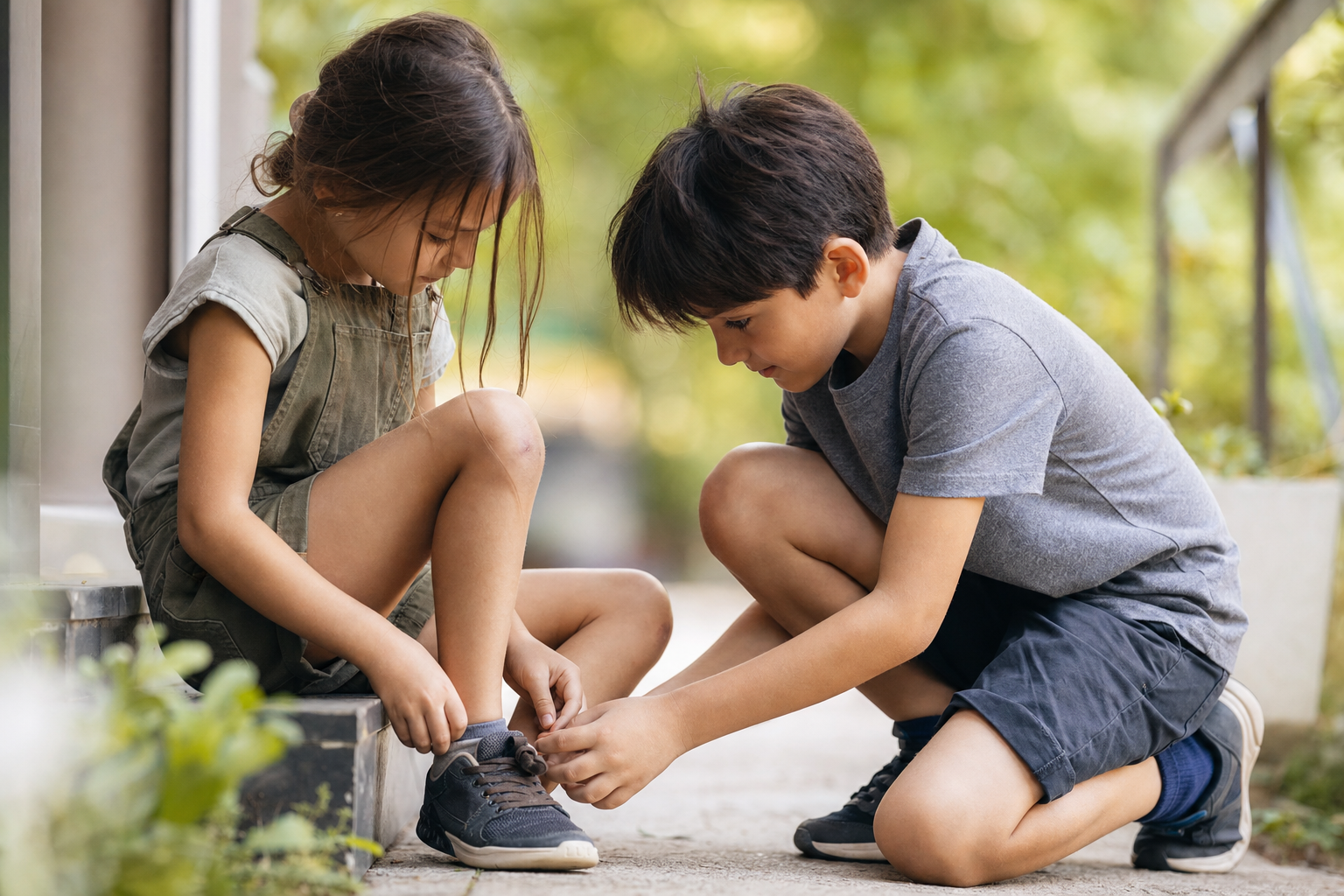
Everywhere children turn, they hear the message: “Put yourself first.” From playgrounds to screens, the world urges them to chase their own happiness and protect their own interests. But beneath the surface, a deeper question stirs in every parent’s heart: How do we help our children become people who reflect the kindness of Christ in a world that rewards self-promotion?
Kindness Flows From God’s Love, Not Just Good Manners
True kindness is not simply about being polite or following rules. Scripture roots kindness in the very heart of God: “We love him, because he first loved us” (1 John 4:19, KJV). When children experience God’s steadfast, undeserved love, they are freed to love others—not out of duty, but as an overflow of what they have received. This is the foundation for every act of genuine kindness: not self-effort, but the transforming power of God’s love within us.
Jesus Shows Us What Kindness Looks Like
Jesus did not just talk about kindness—He lived it. He welcomed children, healed the sick, comforted the hurting, forgave those who failed, and noticed the overlooked. He taught, “Be ye therefore merciful, as your Father also is merciful” (Luke 6:36, KJV). Jesus never used His position for self-gain, but always to serve. When children look to Jesus, they see that true greatness is found not in being first, but in loving and serving others. His life is the pattern for ours.
Kindness Grows in Small, Everyday Choices
Kindness is not reserved for grand gestures. It is most often seen in the quiet, daily decisions: sharing a toy, including someone left out, saying “thank you,” helping a classmate, or offering a gentle word. These small acts, though easily missed, can transform the atmosphere of a home or classroom. God delights in these moments, and each one is an opportunity for children to reflect His heart to those around them.
Looking Beyond Ourselves: The Heart of Kindness
Self-centeredness asks, “What do I want?” Kindness asks, “What does someone else need?” Philippians 2:4 urges, “Look not every man on his own things, but every man also on the things of others.” Children can practice this by taking turns, listening well, helping without being asked, and encouraging those who are sad. Each time they look beyond themselves, their capacity for kindness grows stronger.
Forgiveness: The Deepest Test of Kindness
Kindness is most challenging when we are hurt. A friend’s harsh words or a sibling’s actions can leave wounds. Yet Scripture calls us, “Be ye kind one to another, tenderhearted, forgiving one another, even as God for Christ’s sake hath forgiven you” (Ephesians 4:32, KJV). Forgiveness does not ignore wrongs, but chooses to release bitterness, mirroring the mercy God has shown us. This is not easy, but it is the path to true freedom and lasting kindness.
Parents: Modeling and Cultivating Kindness at Home
Children learn kindness by watching those closest to them. When parents speak gently, help neighbors, or forgive quickly, children notice. The most powerful lessons are often caught, not taught. Parents can nurture kindness by inviting children into conversations: “How could we help someone today?” “Who might need encouragement?” “What would Jesus do in this situation?” These questions help make kindness a natural part of family life and shape a child’s conscience and character.
Kindness That Points to Christ in a Self-Focused World
The greatest act of kindness was when God sent His Son: “But God commendeth his love toward us, in that, while we were yet sinners, Christ died for us” (Romans 5:8, KJV). Every act of Christian kindness flows from this gift. Because God has been so kind to us, we can be kind to others—even when it is hard, even when it costs us something. As children grow in kindness, they become more like Christ, carrying into the world a heart that reflects His gentle, compassionate, and faithful love. This is the kind of kindness our world desperately needs—and the kind God delights to grow in every child who abides in Him.