How Do Children Learn Responsibility?
Every parent hopes their child will grow into someone others can trust—someone who keeps promises, cares for others, and finishes what they begin. Yet in a world that often emphasizes rights over responsibilities, how do children truly learn to become dependable? The answer is not found in chores alone, but in the deeper story God is telling in their lives.
Responsibility Begins With Belonging to God
Children first learn responsibility by understanding that their lives and everything they have belong to God. Their time, abilities, family, and opportunities are gifts entrusted to them. Scripture says, “Moreover it is required in stewards, that a man be found faithful” (1 Corinthians 4:2, KJV). A steward is someone who carefully manages what belongs to another. When children realize they are caring for God’s gifts, responsibility becomes a way to honor Him, not just a list of tasks to complete.
Jesus and Joseph: Faithfulness in Every Season
Jesus Himself is our perfect example. As a child, He “increased in wisdom and stature, and in favour with God and man” (Luke 2:52, KJV). He obeyed His parents, learned, worked, and honored His heavenly Father, preparing for the greater work ahead. Joseph, too, modeled responsibility—whether serving in Potiphar’s house, enduring prison, or leading Egypt, he remained faithful and diligent. God used Joseph’s faithfulness in small things to prepare him for much greater responsibilities. Children who follow these examples learn that faithfulness today shapes their future in God’s hands.
Responsibility Grows Through Small, Faithful Steps
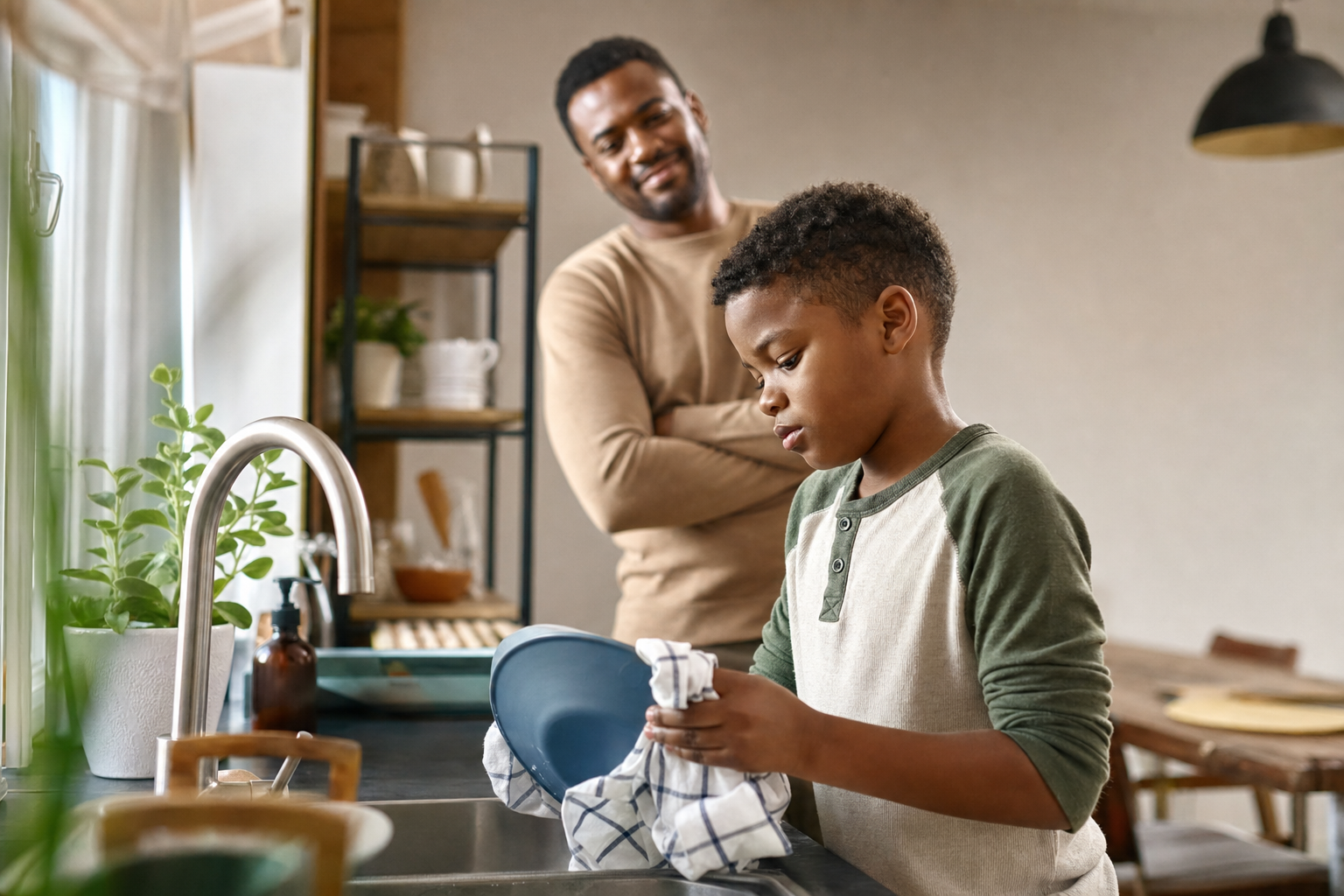
No child is born responsible. They learn through small, everyday tasks: making a bed, putting away toys, feeding a pet, or helping set the table. Jesus taught, “He that is faithful in that which is least is faithful also in much” (Luke 16:10, KJV). Each small act of faithfulness prepares children for larger responsibilities. As they keep their word, finish what they start, and care for their belongings, they discover that trust is built one step at a time. Confidence grows—not from constant praise, but from seeing that God can use them in real ways.
Responsibility Is Rooted in Love and Humility
True responsibility is not just about chores or rules—it is about loving others. God calls children to care for siblings, show kindness to classmates, encourage lonely friends, and help those in need. Jesus always noticed people who were overlooked. When children learn to notice and serve others, responsibility becomes joyful, not burdensome. And when mistakes happen, responsible children admit them, tell the truth, ask forgiveness, and try to make things right. Proverbs reminds us, “He that covereth his sins shall not prosper: but whoso confesseth and forsaketh them shall have mercy” (Proverbs 28:13, KJV). Humility and honesty are marks of growing maturity.
Parents Shape Responsibility Through Modeling and Guidance
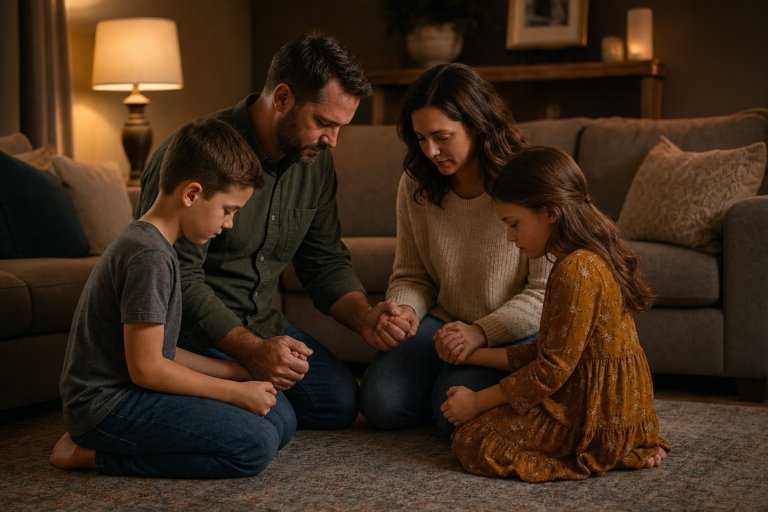
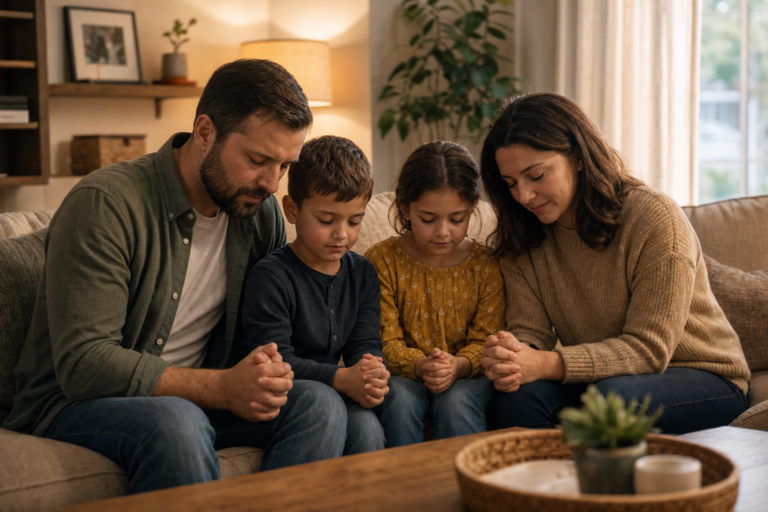
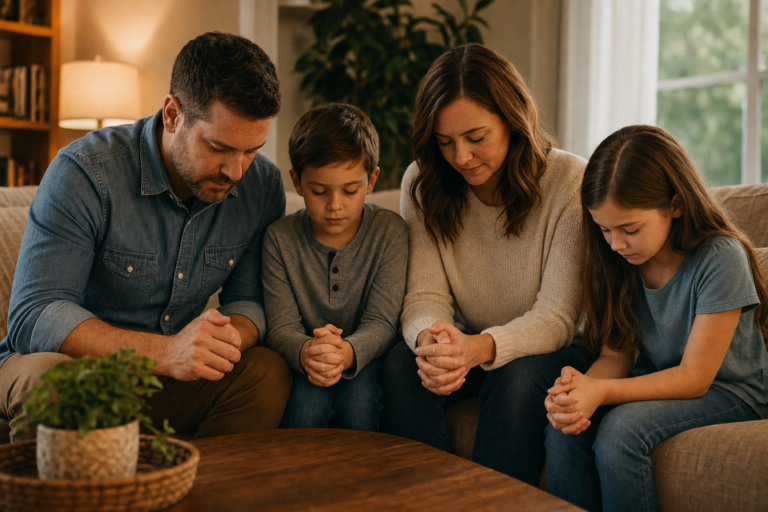
Parents play a vital role in helping children become responsible. This happens not only through giving age-appropriate chores, but by encouraging children to finish what they start, allowing natural consequences, praising faithfulness over perfection, and modeling responsibility themselves. Praying with children about serving God faithfully and practicing consistency in expectations help responsibility become part of family culture. Children learn best through loving guidance and repeated practice, not pressure or criticism.
Responsibility as Worship: Serving God in Everyday Life
Every act of faithfulness—helping at home, studying diligently, being honest, keeping promises, serving others—can become an act of worship. “And whatsoever ye do, do it heartily, as to the Lord” (Colossians 3:23, KJV). Children can learn that responsibility is not just about pleasing parents, but about honoring Jesus in all things. The Holy Spirit works in their hearts, shaping them into people others can rely on. As children pray, read God’s Word, and trust Jesus, He forms Christlike character in them, little by little.
Responsibility Prepares Children for a Life of Faithfulness
Every responsibility learned in childhood prepares a child for adulthood—whether as a faithful spouse, loving parent, dependable employee, wise leader, or servant of Christ. God uses today’s simple lessons to prepare children for tomorrow’s opportunities. The greatest example is Jesus, who perfectly fulfilled every responsibility given to Him by the Father, even to the cross. Children who follow Him learn that responsibility is not about earning God’s love, but responding joyfully to the love He has already shown.
Becoming Faithful for the Glory of God
Responsibility is not just about getting jobs done—it is about becoming faithful, joyful, and trustworthy for the glory of God. Every small act of obedience shapes a child’s character and prepares them for greater opportunities to serve Christ and bless others. As children learn to be trustworthy in everyday life, they become people God can use for His purposes. The most responsible child is not the one who never fails, but the one who learns to do everything faithfully, joyfully, and for the Lord.