What If Children Don’t Want Family Worship?
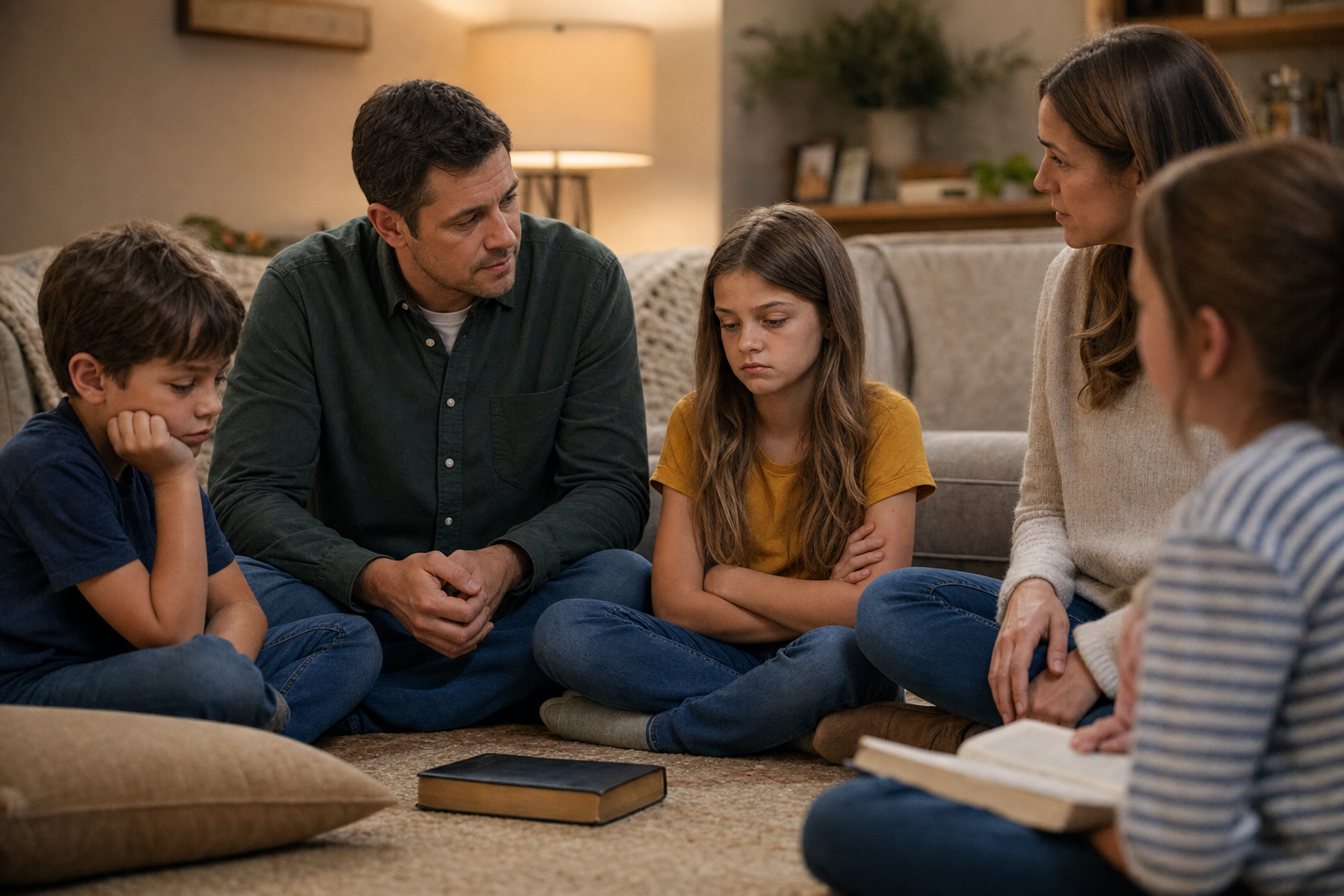
Few moments test a parent’s resolve like the evening a child sighs, “Do we have to?” when family worship begins. Another child fidgets, someone else would rather play, and a chorus of complaints about boredom may follow. Parents may quietly wonder, “Are we doing something wrong?” These moments can feel discouraging, but they are not unusual. The journey of spiritual growth is rarely smooth or predictable, especially for children. The true aim of family worship is not forced participation, but helping children discover the beauty of knowing Jesus. The AbideRooted Family™ vision reminds us: healthy families are formed through sustainable rhythms of spiritual connection—small, repeated practices that shape hearts over time, not through intensity or perfection.
Spiritual Growth Is Not One-Size-Fits-All
Every child is unique. Some are eager to listen to stories, others ask endless questions, some love to sing, and others prefer to observe quietly. Just as children learn differently in school, they also grow differently in faith. Comparing one child to another only breeds frustration. God patiently works in each heart, knowing exactly how each child is growing—even when parents cannot see it. Our role is to trust His timing and nurture each child with patience and grace.
Welcoming Children as Jesus Did
When others saw children as interruptions, Jesus welcomed them. He said, “Suffer little children, and forbid them not, to come unto me: for of such is the kingdom of heaven” (Matthew 19:14, KJV). Jesus never pushed children away; He invited them near. Family worship should reflect His heart—a place where children feel welcomed, loved, and safe to learn. The goal is not perfect behavior, but a home where Christ’s love is experienced and shared.
Love and Relationship Before Lessons
Children learn best when they know they are loved. If family worship becomes only about correcting behavior or finishing a lesson, its greatest purpose is lost. The most important lesson is not information, but experiencing God’s love through the love shown at home. A warm smile, patient listening, and gentle encouragement often teach more than many words. Family worship is about drawing near to God together, not just completing a routine. As James 4:8 reminds us, “Draw nigh to God, and he will draw nigh to you.” Children may not remember every Bible lesson, but they will remember whether home felt like a place where Jesus was loved.
Making Worship Engaging and Joyful
Children rarely remember complicated lessons, but they remember joyful moments—a favorite hymn, a Bible story acted out, a simple object lesson, a shared prayer, or a laugh together. The Family Formation framework emphasizes that small, repeated practices shape families more deeply than occasional impressive events. Joyful consistency, not perfection, builds lasting rhythms. Invite children to participate: let them read a verse, choose a song, share something they’re thankful for, or pray for someone. Participation turns family worship into something children experience, not just observe.
Trusting God With the Heart
Parents can encourage, invite, and model faith, but only God can change a heart. The Holy Spirit gently draws people to Jesus. Parents are faithful when they lovingly invite their children; God is faithful to continue His work within them. Jesus Himself encountered people who doubted, questioned, or walked away—yet He continued loving with patience and compassion. Parents can follow His example: even when children seem uninterested, keep loving, keep praying, and keep inviting. God’s timing is always perfect.
Children Learn Most by Watching
Children notice whether their parents pray sincerely, read the Bible, show kindness, forgive, and trust God in difficulty. These everyday examples often speak louder than family worship itself. A child who sees genuine faith begins to understand that following Jesus is real. Healthy spiritual culture grows through faithfulness over time, not flawless performance. Every time parents gather their family again, they plant another seed—God gives the growth.
Faithfulness Is the Measure of Success
What if children don’t want family worship? Do not lose hope. Do not measure success by how quietly children sit or how perfectly every evening goes. Measure success by faithfulness—by loving, praying, reading God’s Word, and making worship simple, joyful, and centered on Christ. God is building something beautiful through the small rhythms of everyday family life. Little by little, prayer by prayer, Scripture by Scripture, conversation by conversation, He is creating a home where Christ is known, truth is trusted, grace is practiced, and faith is passed from one generation to the next.